850+ MMSCFD
SOUR GAS PLANT EXPERIENCE
What We Do
Obsidian delivers integrated engineering for gas processing facilities and associated infrastructure, supporting projects from early studies and plant rating through detailed design, procurement, construction support, commissioning, and ongoing optimization.
Gas Processing & Treating
We design and integrate process systems that condition gas, manage contaminants, and help facilities consistently meet product specifications.
Inlet separation & slug handling
Gas treating
Sweetening
Dehydration
Hydrocarbon dew point control
Low-temperature separation
Acid gas handling & injection
NGL Recovery & Fractionation
We support liquids recovery and fractionation systems that improve product recovery, processing flexibility, and overall facility performance.
Refrigeration systems
De-ethanization
De-propanization
De-butanization
NGL recovery & fractionation
Condensate stabilization
Utilities & Product Handling
We engineer the supporting systems required to safely operate facilities, manage products, and connect processing systems with downstream infrastructure..
Storage tanks & NGL bullets
Truck-out & liquids handling
Metering & custody transfer
Flare systems
Fuel gas systems
Process heat & instrument air
Brownfield & Facility Optimization
We help clients improve existing assets through targeted studies, upgrades, and execution strategies focused on throughput, reliability, and operability.
Plant rating & capacity studies
Debottlenecking
Brownfield expansions
MOC programs
Outage & tie-in planning
Facility optimization
Rail & ship loading optimization
Gas Plant Facility Projects
DE-ETHANIZER EXPANSION
GAS PLANT EXPANSION & FRACTIONATION
Obsidian designed the addition and integration of a new de-ethanizer at an existing 850 MMSCFD gas plant, including equipment sizing verification and integration with the existing lean oil and fractionation systems.
By routing excess reflux liquids to the new de-ethanizer, the project frees capacity within the existing fractionation train to accommodate increased gas throughput while supporting current and future capacity requirements.
Obsidian also provided on-site construction support, carrying design knowledge into field execution and supporting successful integration within the operating facility.
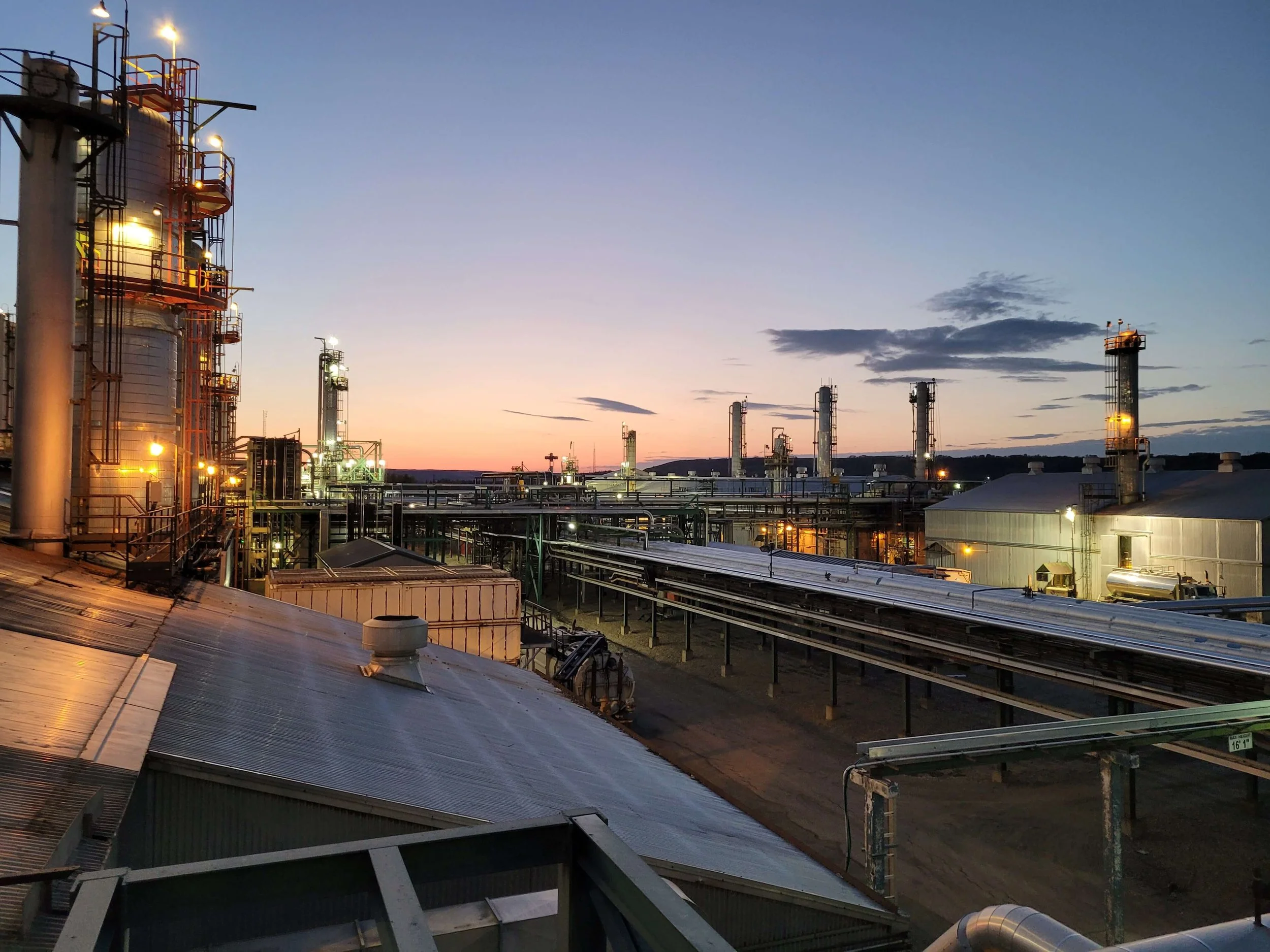
DEW POINT CONTROL UNIT (DPCU) ADDITION
DEW POINT CONTROL & REFRIGERATION
Obsidian designed the addition of a new 200 MMSCFD Dew Point Control Unit (DPCU) at an existing gas plant to achieve a hydrocarbon dew point specification of less than -10°C under all operating scenarios.
The expansion includes a gas/gas exchanger, gas/liquid exchanger, feed chiller, low-temperature separator, propane refrigeration system, overhead gas compressor, NGL dryer, steam turbine generator, bullet storage, truck-out, and metering, providing the infrastructure required to consistently meet sales gas specifications. Obsidian also provided on-site construction support, maintaining continuity between the engineering design and field execution.
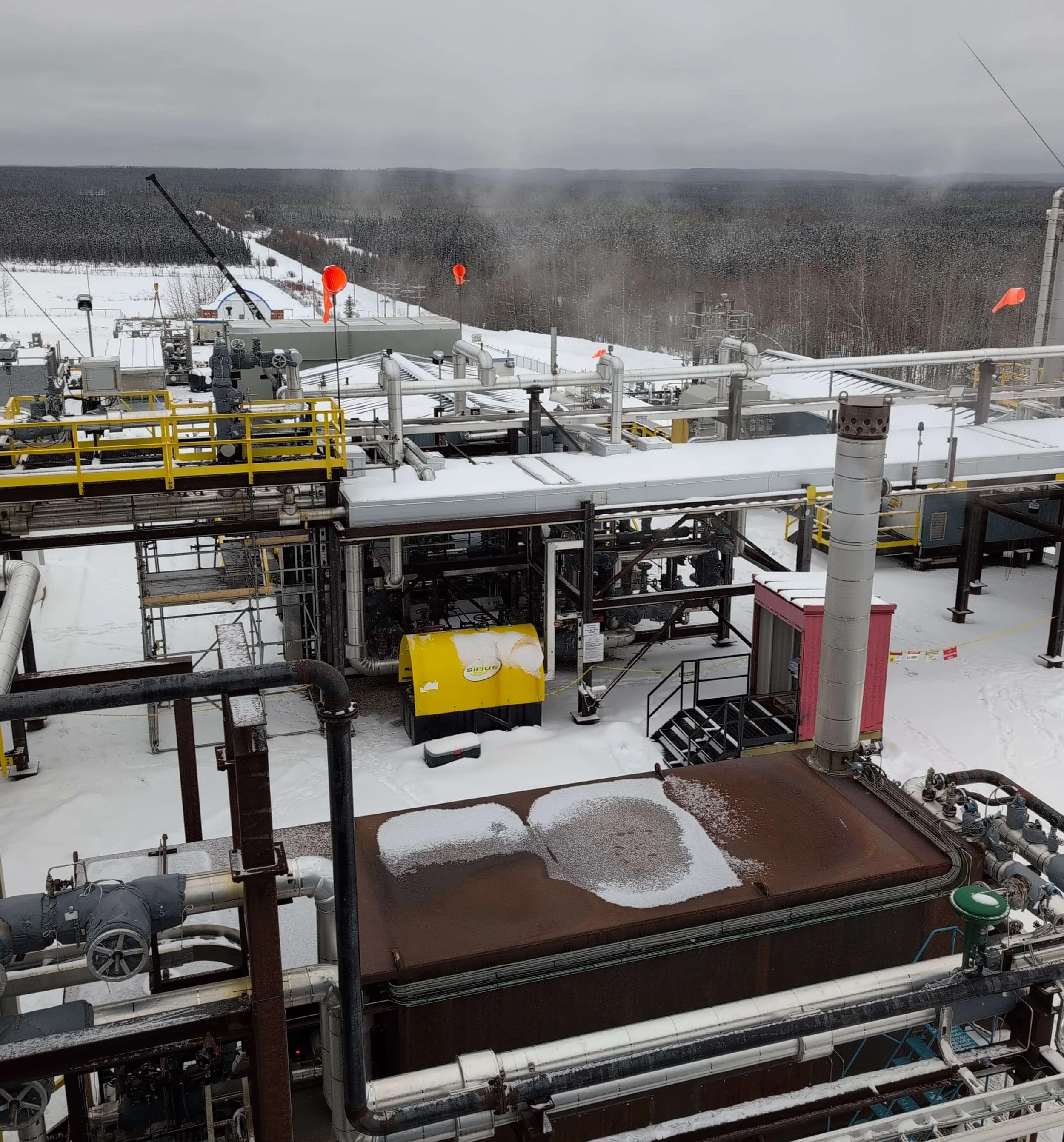
AMINE REGENERATION REPLACEMENT
GAS TREATMENT & AMINE SYSTEMS
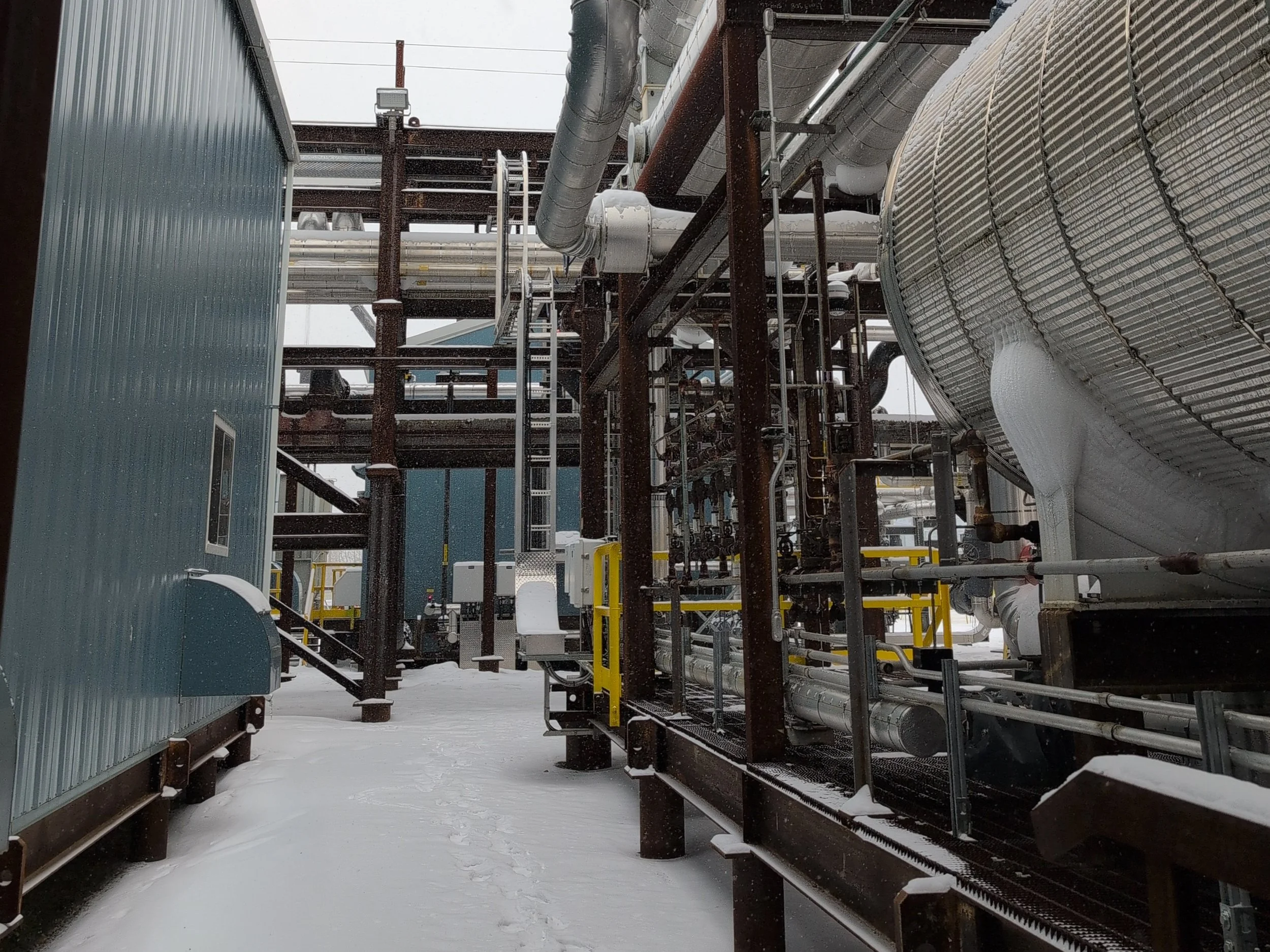
Obsidian is executing detailed engineering for the replacement and expansion of an existing amine regeneration system to address equipment integrity concerns and enable future plant debottlenecking.
Designed for 340 MMSCFD of inlet gas and 4.1 MMSCFD of dry acid gas, the scope expands existing regeneration capacity and includes field validated tie-ins, selected to minimize outage requirements. Equipment includes a regenerator tower, reboiler, heat exchangers, reflux condenser and pumps, filtration systems, tanks, and associated utility tie-ins.
GOLD CREEK PLANT RATING & EXPANSION
PLANT OPTIMIZATION & DEBOTTLENECKING
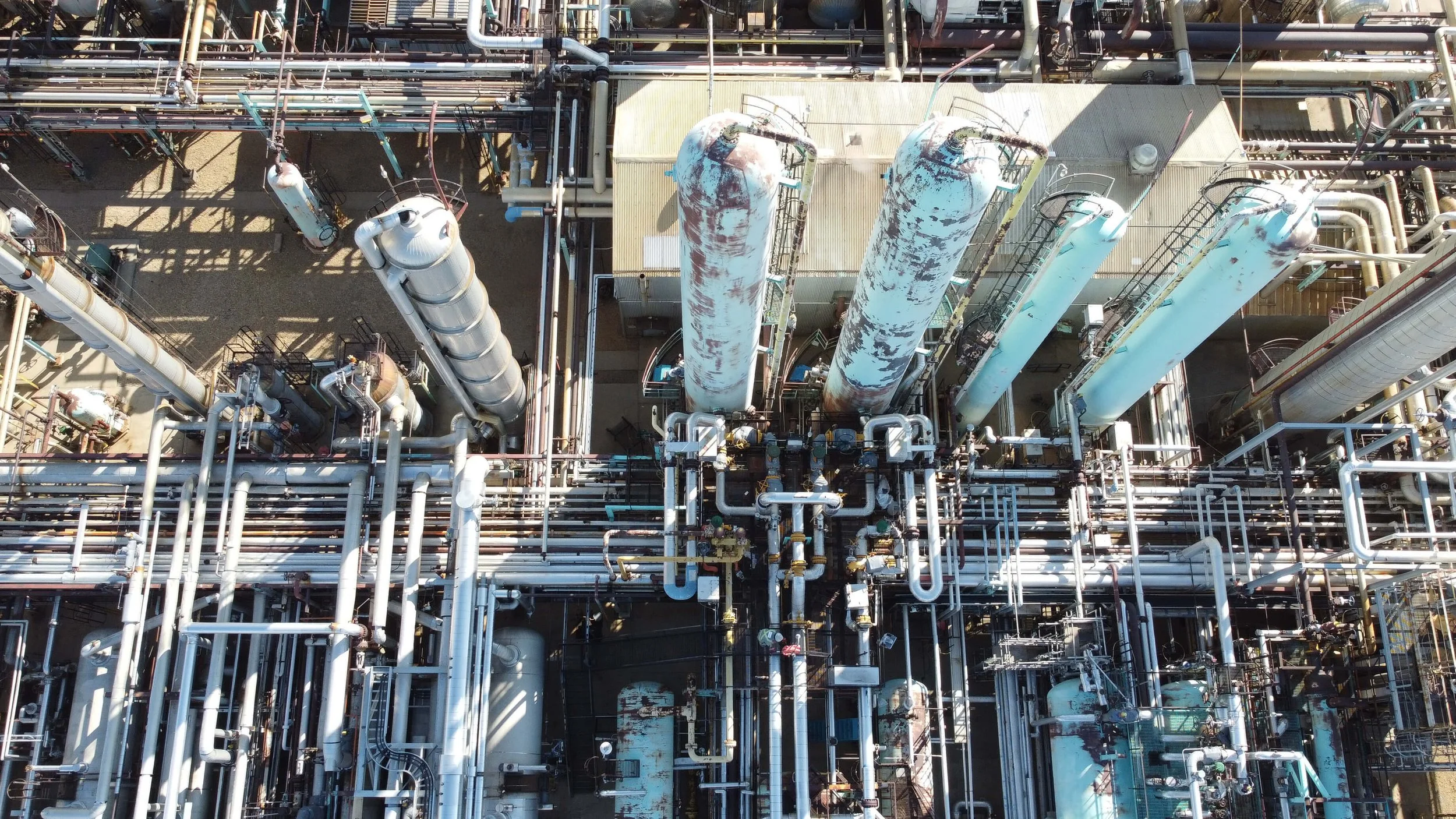
Obsidian completed a plant rating study of an existing gas plant rated at 152 MMSCFD at -10°C, assessing hydrocarbon dew point control units and liquids fractionation systems across three refrigeration trains and their associated de-ethanizer, de-propanizer, and de-butanizer systems.
The study identified upgrades to increase gas throughput by 16%, from 141 to 164 MMSCFD at a -25°C low-temperature separator (LTS) operating condition.
By incorporating cryogenic heat exchangers, Obsidian avoided the need for additional refrigeration compression, saving more than $5 million in TIC while enhancing NGL recovery.
KAYBOB FACILITY UPGRADES
DEBOTTLENECKING & BROWNFIELD EXPANSION
Obsidian completed a debottlenecking study to identify modifications required to increase throughput, improve operability and reduce plant upsets. With the facility operating at 130 MMSCFD, the debottlenecking study identified a staged approach to increase capacity to 180/200/220 MMSCFD, representing an capacity increase of up to 69%.
The project combines brownfield engineering, execution planning, long-lead equipment coordination, and outage planning to support reliable operations.
Ready to advance your
gas plant project?
Whether you’re evaluating plant capacity, planning a brownfield expansion, developing a new processing facility, or looking for opportunities to improve throughput and reliability, talk to a team with the gas plant experience to help move your project forward.